
Wisdom teeth are the last set of molars to develop, usually appearing between the ages of 17 and 25. While some people never experience problems with these teeth, many patients develop complications due to overcrowding in the mouth. When there is not enough space for wisdom teeth to grow properly, they can push against neighboring teeth, cause alignment issues, and create long term oral health concerns.
Understanding how overcrowding and wisdom teeth are connected can help patients recognize when removal may be the best option for protecting their smile.
Why Overcrowding Happens
The human jaw has evolved over time and is now typically smaller than it was in earlier generations. Despite this change, most people still develop the same number of teeth, including four wisdom teeth. As a result, there is often not enough room in the mouth to accommodate these final molars.
When wisdom teeth begin to erupt in a limited space, they may grow at unusual angles or become trapped beneath the gums. This condition is known as impaction. Impacted wisdom teeth can remain partially or fully stuck in the jawbone or gum tissue, increasing the risk of complications.
Even when wisdom teeth appear to erupt normally, the lack of available space can cause them to press against nearby teeth. This pressure often leads to crowding and shifting in the surrounding dental structures.
How Wisdom Teeth Cause Overcrowding
Overcrowding occurs when there is not enough room in the jaw for teeth to align properly. As wisdom teeth attempt to emerge, they can push forward against the second molars and other nearby teeth. Over time, this pressure may cause teeth to move out of their natural positions.
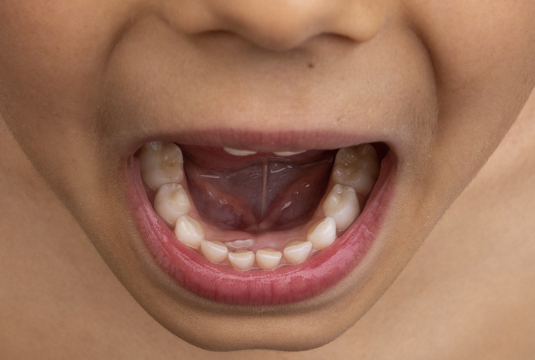
Patients who previously had straight teeth may notice subtle changes in alignment, particularly in the lower front teeth. This is because the force created by erupting wisdom teeth can gradually shift the surrounding teeth, leading to overlapping or crooked positioning.
For individuals who have undergone orthodontic treatment, overcrowding from wisdom teeth can undo years of work. Teeth that were once carefully aligned with braces or clear aligners may begin to shift, creating new spacing or crowding issues.
Because these changes often occur slowly, many patients do not notice them until significant movement has already taken place.
Additional Problems Caused by Overcrowded Wisdom Teeth
Overcrowding does not only affect the appearance of your smile. It can also create several oral health problems that become more serious if left untreated.
One common issue is difficulty cleaning the back of the mouth. When wisdom teeth grow into tight spaces, it becomes harder to brush and floss properly around them. This allows bacteria and plaque to accumulate, increasing the risk of tooth decay and gum disease.
Overcrowded wisdom teeth are also more prone to infection. When a tooth partially erupts through the gums, a small flap of gum tissue can form around it. Food particles and bacteria may become trapped beneath this tissue, leading to inflammation and infection known as pericoronitis.
Another concern is damage to neighboring teeth. Wisdom teeth that push against adjacent molars can weaken the enamel or create pockets where bacteria can accumulate. Over time, this pressure may contribute to cavities, gum disease, or even bone damage.
Signs That Overcrowding May Be a Problem
Many patients are unaware that their wisdom teeth are causing overcrowding until symptoms appear. Paying attention to early warning signs can help prevent more serious complications.
Common signs include persistent pressure or pain in the back of the mouth, swelling or tenderness around the gums near the wisdom teeth, and difficulty opening the mouth fully. Some patients also notice changes in the alignment of their teeth or increased sensitivity when chewing.
In some cases, overcrowding may not cause noticeable symptoms right away. Regular dental checkups and X rays allow dentists and oral surgeons to monitor the development of wisdom teeth and identify potential problems before they worsen.
Why Wisdom Teeth Removal Is Often Recommended
When wisdom teeth cause overcrowding or show signs of creating alignment problems, removal is often the most effective solution. Extracting these teeth can relieve pressure on surrounding teeth and help prevent long term damage to the bite and overall dental structure.
Wisdom tooth removal is a common oral surgery procedure that is typically performed on an outpatient basis. Modern techniques and anesthesia options allow patients to undergo the procedure comfortably while minimizing discomfort during recovery.
Many dental professionals recommend removing problematic wisdom teeth before they cause significant complications. Early removal often results in a smoother procedure and faster healing, especially when the roots are not fully developed.
Waiting until wisdom teeth cause severe overcrowding or infection can make treatment more complex and increase the risk of additional dental problems.
Protecting Your Smile for the Future
Overcrowding caused by wisdom teeth can affect both the function and appearance of your smile. By addressing these teeth early, patients can avoid alignment problems, reduce the risk of infection, and maintain better long term oral health.
If you are noticing crowding, pressure in the back of your mouth, or changes in the alignment of your teeth, your wisdom teeth may be the cause. Addressing these issues early can help prevent further shifting, discomfort, and long term oral health problems.
The team at West Michigan Oral & Maxillofacial Surgery provides expert wisdom tooth evaluations and extractions using advanced technology and patient focused care. Their board certified oral surgeons are highly trained in surgical procedures and use modern imaging and treatment planning to ensure safe, precise care and a comfortable experience for every patient.
With multiple convenient locations in Grand Haven, Grandville, and Holland, their experienced team is dedicated to helping patients protect their smiles and prevent future dental complications.
Schedule your consultation today with West Michigan Oral & Maxillofacial Surgery and take the next step toward relieving crowding and protecting the long term health of your smile.