Wisdom teeth, also known as third molars, are the final set of teeth to develop, usually emerging between the ages of 17 and 25. While some people experience no immediate problems, many patients face complications when wisdom teeth do not have enough room to erupt properly. Understanding the risks of not removing wisdom teeth is essential for protecting your long term oral health and avoiding preventable issues later in life.
Impacted Wisdom Teeth and Jaw Problems
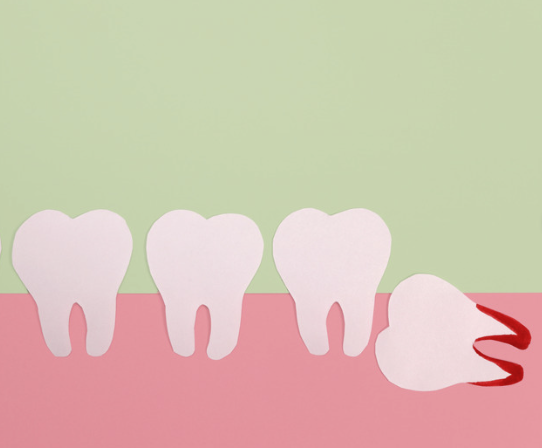
One of the most common problems associated with wisdom teeth is impaction. Impacted wisdom teeth occur when the teeth are unable to fully emerge through the gums due to lack of space or improper positioning. These teeth may remain fully trapped beneath the gum line or partially erupt at an angle.
Impacted wisdom teeth can place pressure on surrounding teeth and the jawbone, leading to persistent discomfort, swelling, and stiffness. Over time, this pressure may cause neighboring teeth to shift out of alignment, potentially undoing orthodontic work and creating bite issues that require additional treatment.
Increased Risk of Infection
Another serious risk of not removing wisdom teeth is infection. Partially erupted wisdom teeth are especially difficult to clean because bacteria and food particles can become trapped beneath the gum tissue. This often leads to a painful condition called pericoronitis, which causes swelling, redness, jaw pain, bad breath, and difficulty opening the mouth.
If left untreated, infections related to wisdom teeth can spread to surrounding tissues and even impact overall health. Recurrent infections are a strong indicator that wisdom teeth removal may be necessary to prevent ongoing complications.
Higher Chance of Tooth Decay
Wisdom teeth are located at the very back of the mouth, making them difficult to reach with regular brushing and flossing. Even patients with excellent oral hygiene habits may struggle to keep these teeth clean.
As a result, wisdom teeth are at a higher risk for cavities and decay. When decay develops in a wisdom tooth, it can also affect adjacent molars, increasing the likelihood of needing fillings, crowns, or more extensive dental treatment. In many cases, removing problematic wisdom teeth helps protect the health of nearby teeth.
Gum Disease and Inflammation
Retained wisdom teeth can also contribute to gum disease. Plaque and bacteria tend to accumulate around wisdom teeth due to their position and limited accessibility. Over time, this buildup can lead to gum inflammation, bleeding, and periodontal disease.
Gum disease does not only affect your smile. It has been linked to other health concerns, making early prevention and treatment critical. Removing wisdom teeth that contribute to gum disease can significantly improve oral hygiene and long term gum health.
Cysts and Bone Damage
In some cases, wisdom teeth that remain trapped within the jawbone can lead to the formation of cysts. These fluid filled sacs develop around impacted teeth and can grow slowly without noticeable symptoms.
If left untreated, cysts can damage surrounding bone, weaken the jaw, and harm nearby teeth or nerves. Although rare, tumors associated with impacted wisdom teeth can also develop, making regular evaluation by an oral surgeon extremely important.
Chronic Pain and Ongoing Discomfort
Even when wisdom teeth do not cause immediate problems, they can lead to chronic pain over time. Symptoms may include jaw soreness, headaches, ear pain, facial pressure, and difficulty chewing. These issues often worsen gradually, making early intervention beneficial.
Many patients are surprised to learn that discomfort can develop years after wisdom teeth first appear. Addressing potential issues early often helps prevent more complex and painful problems later.
Why Early Wisdom Teeth Removal Is Often Recommended
While not all wisdom teeth need to be removed, oral surgeons frequently recommend early removal when there is a high risk of future complications. Younger patients typically heal faster and experience fewer complications compared to adults who delay treatment.
An oral surgeon can evaluate your wisdom teeth using advanced imaging and a comprehensive exam to determine whether removal is recommended. Factors such as tooth position, jaw structure, age, and overall oral health all play an important role in this decision.
Protecting Your Oral Health
Choosing not to remove wisdom teeth can increase the risk of infection, decay, gum disease, cyst formation, and chronic pain. Even if symptoms are not present now, problems may develop unexpectedly in the future.
Routine dental visits and professional evaluations are essential for monitoring wisdom teeth and protecting your oral health. When recommended by an experienced oral surgeon, wisdom teeth removal is a proactive step that can help prevent serious complications and preserve the health of your smile for years to come.