Wisdom teeth, also known as third molars, are the last set of teeth to develop, usually emerging between the late teenage years and early twenties. While some people never experience problems with their wisdom teeth, many do. When wisdom teeth do not have enough room to erupt properly or grow in at the wrong angle, they can negatively affect oral health. In these cases, wisdom teeth extraction is often recommended as a proactive step to protect your smile and prevent more serious dental issues.
Understanding the Role of Wisdom Teeth
Wisdom teeth were once necessary for our ancestors, who had larger jaws and diets that required more chewing power. Modern diets and smaller jaw structures have made these extra molars far less useful. As a result, many people simply do not have enough space in their mouths to accommodate wisdom teeth comfortably. When this happens, wisdom teeth may become impacted, partially erupted, or trapped beneath the gums.
Even when wisdom teeth appear to come in without immediate pain, they can still pose long-term risks to oral health. Because they sit so far back in the mouth, wisdom teeth are difficult to clean properly, increasing the likelihood of problems over time.
How Wisdom Teeth Can Harm Oral Health
One of the most common issues associated with wisdom teeth is overcrowding. As wisdom teeth push against neighboring teeth, they can cause shifting or crowding, undoing years of orthodontic work or creating alignment problems. This movement can make teeth harder to clean, raising the risk of cavities and gum disease.
Partially erupted wisdom teeth create another concern. When only part of the tooth breaks through the gum line, it leaves an opening where bacteria and food particles can become trapped. This often leads to infections such as pericoronitis, which causes pain, swelling, and difficulty chewing. Repeated infections in this area can spread to surrounding tissues and compromise overall oral health.
Impacted wisdom teeth can also damage nearby teeth. Pressure from an impacted tooth may wear down the roots of adjacent molars or contribute to decay in areas that are difficult to reach with brushing and flossing. In some cases, cysts can form around impacted wisdom teeth, potentially leading to bone loss or damage to surrounding structures.
Preventing Gum Disease and Tooth Decay
Gum disease and tooth decay are two of the most significant threats to a healthy smile, and wisdom teeth can increase the risk of both. Because they are harder to clean, wisdom teeth often collect plaque and bacteria more easily than other teeth. Over time, this buildup can lead to inflammation of the gums, bleeding, and infection.
Removing problematic wisdom teeth can make daily oral hygiene more effective. With fewer hard-to-reach areas in the mouth, brushing and flossing become easier, reducing the chance of plaque accumulation. This proactive approach helps protect the health of surrounding teeth and gums and supports long-term oral wellness.
Supporting Long-Term Oral Health
Wisdom teeth extraction is often recommended before serious problems develop. Removing wisdom teeth at a younger age, when the roots are not fully formed and the surrounding bone is more flexible, typically results in a smoother recovery. Early removal can prevent years of discomfort, repeated infections, and costly dental treatments later in life.
For adults who still have wisdom teeth, extraction can still offer important benefits. While recovery may take slightly longer, removing teeth that are causing or are likely to cause problems can relieve ongoing pain and protect the integrity of the rest of the smile.
What to Expect From Wisdom Teeth Extraction
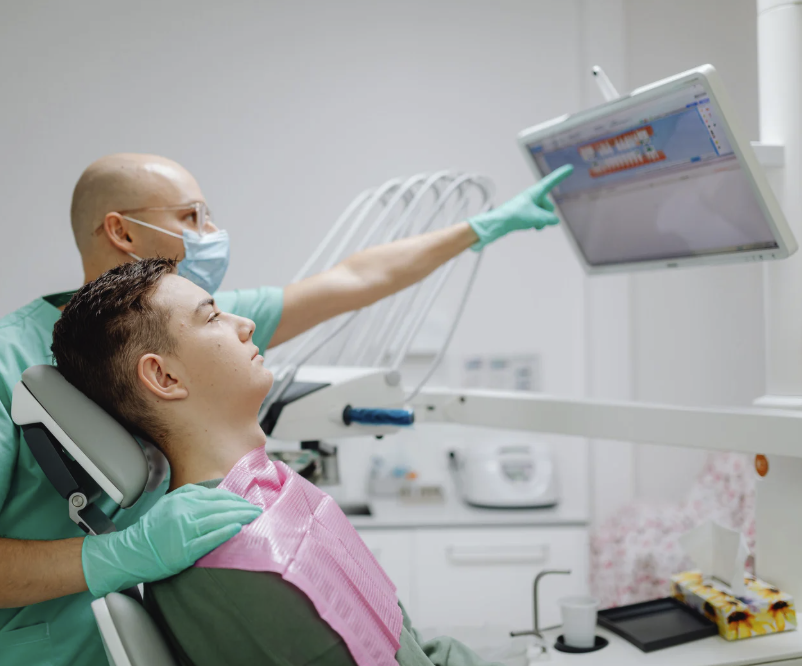
Wisdom teeth removal is a common oral surgery procedure performed by an experienced oral surgeon. Before the procedure, a thorough evaluation including imaging helps determine the position of the teeth and the best approach for extraction. Patients are offered anesthesia options designed to maximize comfort during the procedure.
After extraction, following post-operative instructions carefully is key to protecting oral health. Proper aftercare supports healing, reduces the risk of complications, and helps patients return to normal routines as quickly as possible.
Protecting Your Smile for the Future
Wisdom teeth may seem harmless at first, but they can pose serious risks to oral health if left untreated. From crowding and decay to infection and gum disease, problematic wisdom teeth can compromise an otherwise healthy smile. Wisdom teeth extraction is a preventive measure that helps maintain proper alignment, supports healthy gums, and reduces the likelihood of future dental issues.
If you have wisdom teeth or are experiencing discomfort in the back of your mouth, a professional evaluation can help determine whether extraction is the right choice. Taking action at the right time can protect your smile, preserve your oral health, and give you confidence for years to come.