
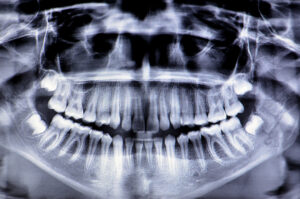
Facial trauma can happen suddenly and without warning. Whether caused by a car accident, sports injury, fall, workplace accident, or physical impact, injuries to the face and jaw often require immediate medical attention. Facial trauma not only affects appearance, it can also interfere with breathing, speaking, eating, and overall oral health.
At West Michigan Oral & Maxillofacial Surgery, patients receive advanced care for a wide range of facial injuries, including jaw fractures, orbital injuries, facial bone fractures, and dental trauma. Prompt treatment from an experienced oral and maxillofacial surgeon is essential to restore both function and facial structure after an injury.
What Is Facial Trauma?
Facial trauma refers to any injury involving the mouth, jaw, teeth, or facial bones. Some injuries are minor, while others are severe and require emergency surgical treatment. Because the face contains delicate bones, nerves, muscles, and teeth, even a single impact can cause multiple complications.
Oral and maxillofacial surgeons are specially trained to diagnose and treat complex facial injuries while preserving both function and appearance.
Jaw Fractures: One of the Most Common Facial Injuries
Fractures of the upper jaw or lower jaw are among the most common types of facial trauma. Jaw fractures can occur after:
- Car or motorcycle accidents
- Sports injuries
- Falls
- Physical assaults
- Workplace accidents
Symptoms of a fractured jaw may include:
- Severe jaw pain
- Swelling and bruising
- Difficulty chewing or speaking
- Misaligned teeth or bite changes
- Numbness in the face
- Difficulty opening or closing the mouth
Without proper treatment, jaw fractures can lead to long-term complications involving the bite, jaw function, and facial appearance. Oral surgeons use advanced imaging and surgical techniques to stabilize the jaw and promote proper healing. In many cases, small plates and screws are used to secure fractured bones and restore alignment.
Orbital & Cheekbone Fractures
The orbital bones surround and protect the eyes. Trauma to this area can result in orbital fractures, which may affect both vision and facial structure. Cheekbone fractures are also common after facial injuries and can impact the appearance and stability of the midface.
Signs of orbital or cheekbone fractures may include:
- Facial swelling
- Bruising around the eyes
- Double vision or blurred vision
- Flattened facial appearance
- Pain near the eyes or cheeks
- Difficulty moving the jaw
Because orbital injuries may affect vision and eye movement, immediate evaluation is important. Oral and maxillofacial surgeons often work alongside other medical specialists to provide comprehensive treatment for these injuries.
Nasal Fractures & Facial Bone Injuries
The nose is one of the most commonly injured facial structures due to its central location. Nasal fractures can occur alone or alongside other facial injuries. Patients may experience:
- Swelling
- Bleeding
- Difficulty breathing through the nose
- Facial bruising
- Changes in nasal appearance
Other facial bone injuries can involve the forehead, upper jaw, or surrounding facial structures. Accurate diagnosis and timely treatment are essential to restoring facial symmetry and preventing long-term complications.
Advanced Monitoring & Surgical Care
Treating facial trauma often requires advanced surgical planning and patient monitoring. At West Michigan Oral & Maxillofacial Surgery, patients receive specialized care using modern technology and advanced imaging techniques to evaluate fractures and injuries accurately.
The goal of treatment is not only to repair damage but also to restore:
- Facial appearance
- Proper bite alignment
- Jaw movement
- Oral function
- Long-term comfort
Depending on the severity of the injury, treatment may involve surgery, stabilization of facial bones, dental restoration, or long-term follow-up care.
When to Seek Immediate Treatment
Facial trauma should never be ignored. Delaying treatment can increase the risk of infection, permanent damage, breathing complications, and long-term functional issues.
Seek immediate care if you experience:
- Severe facial swelling
- Bleeding that does not stop
- Difficulty breathing
- Vision changes
- Severe jaw pain
- A knocked-out tooth
- Trouble speaking or swallowing
Trusted Facial Trauma Care in West Michigan
Facial injuries can be physically and emotionally overwhelming, but expert treatment can make a significant difference in recovery. At West Michigan Oral & Maxillofacial Surgery, patients receive compassionate, experienced care for facial trauma injuries ranging from jaw fractures to dental emergencies.
With advanced surgical expertise and patient-focused treatment, the team is dedicated to helping patients recover safely while restoring comfort, appearance, and oral function after facial trauma.